
QUICK ANSWER
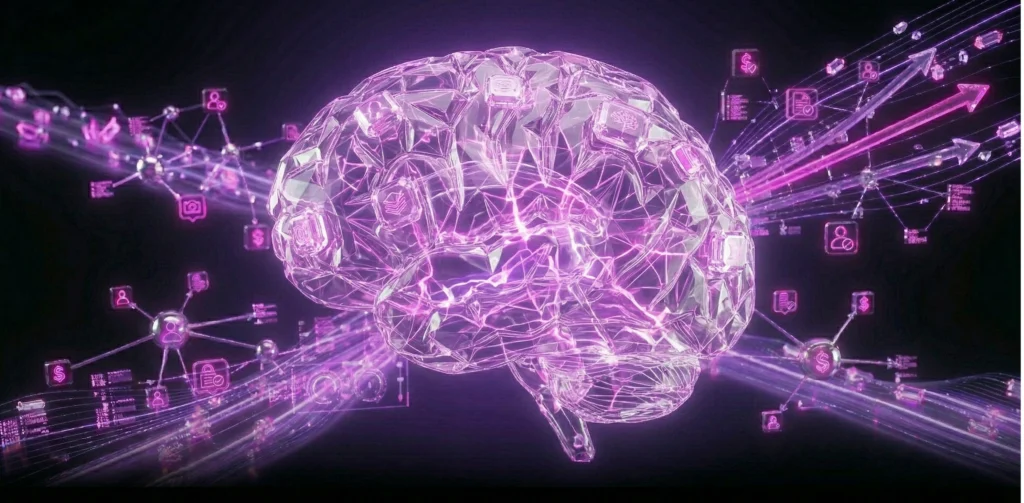
Influencer marketing is not just about visibility—it’s about biology. Discover how neuromarketing principles like mirror neurons, oxytocin, and social proof turn passive viewers into active buyers, and how brands can strategically activate these triggers.
When an influencer shares a genuine, relatable video, it can trigger the release of oxytocin in the viewer’s brain—the same “bonding hormone” activated during close social interactions. This neurological response helps break down trust barriers between consumers and brands within seconds. At Kara Talent, we design campaigns not just as visual advertisements, but as deeply analyzed neuro-driven interaction systems.
Neuromarketing goes beyond traditional surveys and feedback loops by focusing on subconscious reactions. Influencer marketing is one of the most powerful real-world applications of these scientific insights.
Mirror Neurons and the Desire to Imitate
Mirror neurons in the human brain activate when we observe someone performing an action or experiencing pleasure. It creates a simulation effect—as if we are experiencing the same moment ourselves. When an influencer enjoys a refreshing drink, viewers may subconsciously feel that same sensation.
Influencer marketing leverages this biological mechanism at its purest form. The audience internalizes the influencer’s positive experience and is naturally driven toward replicating it through purchase behavior.
Decision-Making Mechanisms in the Brain
- Social Proof
The brain simplifies decision-making by following others during uncertainty. When a trusted influencer with a large following endorses a product, the brain categorizes it as “safe” and “approved.” This is rooted in our evolutionary instinct to act collectively. - Halo Effect
Positive emotions associated with a person extend to everything around them. The admiration and trust followers feel toward an influencer automatically transfer to the brand they promote. The brand benefits from the influencer’s “halo,” gaining instant credibility and perceived prestige.
Kara Talent Perspective: Managing Emotions with Data
We integrate neuromarketing principles into campaigns by focusing on three core emotional triggers:
- Familiarity: The brain trusts what it recognizes. Long-term collaborations turn influencers into familiar brand faces.
- Scarcity: Limited-time offers activate the amygdala, triggering fear of missing out (FOMO).
- Dopamine Loop: Engaging, entertaining, or curiosity-driven content stimulates dopamine, building positive emotional associations with the brand.
Reducing Friction in the Buying Journey
Influencer marketing also acts as a facilitator by removing barriers in the decision-making process:
- Simplifying complex product information into relatable, real-life benefits
- Providing direct purchase paths (swipe-up links, bio links) to eliminate effort
FAQ
1. Do neuromarketing techniques work for all audiences?
Yes. These principles are based on universal biological processes. However, the intensity and execution should be tailored to the target demographic.
2. Can influencer authenticity be measured neurologically?
Indirectly, yes. Metrics like watch time, engagement rate, and micro-reactions reflect neurological trust and emotional connection.
3. Does labeling content as “ad” reduce its effectiveness?
No. Transparency builds long-term trust. Hidden advertising can create a stronger negative reaction in the brain.
4. What is the role of color in neuromarketing?
Colors trigger specific neurological responses. Blue conveys trust, while red signals urgency and stimulates appetite.
Conclusion: Redefine Marketing with Science
Influencer marketing is not just promotion—it is a journey into the human mind. With Kara Talent, your brand evolves from a simple logo into a trusted, desired, and emotionally resonant experience embedded in the consumer’s brain.
Take Action:
Leverage neuromarketing to influence consumer decisions at a deeper level. Contact Kara Talent today to design campaigns that activate the right triggers in the human mind.
